
Dysmorphia and Eating Disorders: Signs, Causes, and Treatment
Dysmorphia is a condition where a person has a distorted view of their appearance. They don’t see their body as it is. Instead, they may fixate on flaws or believe something about their body is “wrong.” This happens even if others don’t notice it. These thoughts can feel real and take up a lot of someone’s attention throughout the day.
A more severe and clinical form is Body Dysmorphic Disorder. Appearance-related thoughts become obsessive. They can begin to interfere with daily life, relationships, and mental health. Dysmorphia isn’t normal insecurity. Instead, it’s persistent, intrusive, and often difficult to control without support.
If you or a loved one is struggling with dysmorphia and eating disorders, speak with a specialist today. This can be a first step towards a sustainable recovery.
Types of Dysmorphia
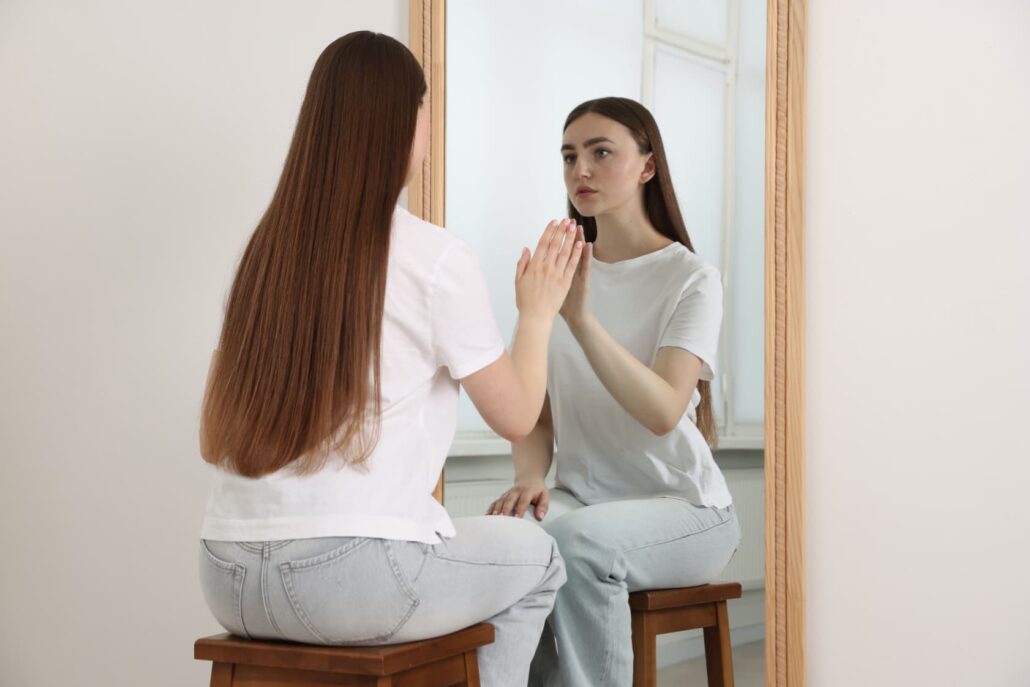
Dysmorphia is rooted in distorted self-image. Although, the way it shows up can differ from person to person. Some people focus on their overall body size or shape. In other cases, people may fixate on specific areas. Common types include:
- Body dysmorphia: Distorted perception of overall weight, size, or shape
- Muscle dysmorphia: Feeling “not muscular enough,” often seen in fitness environments
- Facial dysmorphia: Fixation on features like skin, symmetry, or facial structure
The focus can vary. However, the underlying experience is the same. There’s a strong disconnect between perception and reality.
How Dysmorphia is Linked to Eating Disorders
The link between dysmorphia and eating disorders is strong. Both involve a difficult relationship with the body. When someone believes their body isn’t acceptable, they may try to change it with eating habits.
Over time, this can lead to disorders such as Anorexia Nervosa, Bulimia Nervosa, and Binge Eating Disorder. These conditions often reinforce dysmorphia rather than fix it. This can create a cycle. The more someone tries to control their body, the more dissatisfied they may feel. A common pattern looks like this:
- Distorted body image
- Attempts to “fix” the body through eating behaviors
- Temporary sense of control
- Increased dissatisfaction and distress
If not addressed, this cycle can become ingrained.
Signs and Symptoms of Dysmorphia
Dysmorphia often develops gradually. It’s easy to miss early warning signs. Many people assume they’re just being self-critical or trying to improve their appearance. But in reality, the thoughts can become excessive.
People with dysmorphia may spend a large amount of time thinking about how they look. They can feel distracted or overwhelmed by these thoughts. This can lead to repeated behaviors. This can include checking mirrors, avoiding photos, or often comparing themselves to others.
Emotionally, it’s often tied to anxiety, shame, and a sense that something needs to change. Over time, these patterns can begin to interfere with daily life. For example, social situations can become stressful.
How Dysmorphia Affects Eating Habits
Dysmorphia can impact eating patterns. It’s often in ways that feel logical to the person experiencing it. However, food can become less about nourishment. Instead, the focus may change to controlling the body. This can show up in several ways:
- Restricting food to try to lose weight or change shape
- Avoiding foods seen as “bad”
- Cycling between strict control and overeating
- Constantly starting new diets or plans
As these behaviors continue, they can become rigid and stressful patterns. This can increase the risk of developing a full eating disorder.
Are you or a loved one struggling with an eating disorder? Speak with a specialist today. Seeking help isn’t easy, but it can lead to better outcomes.
Causes and Risk Factors
There isn’t a single cause of dysmorphia. Instead, it comes from a combination of environmental and personal factors.
Idealized body standards influence many people. They’re common in social media and advertising. Diet culture can also reinforce the idea that the body should always be changing or improving. At the same time, personal traits like perfectionism or anxiety can make someone more vulnerable.
Past experiences also play a role. Negative comments about appearance, bullying, or feeling judged can shape views about your body. Here’s a guide on better ways to talk about eating disorders.
Why Dysmorphia is Hard to Recognize
Dysmorphia often feels normal to the person experiencing it. The thoughts don’t seem extreme and feel justified. In many cases, beliefs like these are common:
- “I just need to fix this one thing”
- “I’ll feel better once I look different”
- “Everyone else looks better than me”
These thoughts are often normalized in society. This can make it hard to recognize when they cross the line into something more serious.
Mental and Physical Health Risks
Dysmorphia can have wide-ranging effects. It can impact both mental and physical health. If occurring with disordered eating, it can become more serious.
On the mental side, it’s often linked to anxiety, depression, and obsessive thoughts. A person may feel stuck in a constant loop of self-criticism. This can lead to isolation and reduce quality of life.
Physically, the risks often come through eating behaviors. If dysmorphia leads to restriction, bingeing, or purging, the body may experience issues like:
- Nutrient deficiencies
- Hormonal imbalances
- Fatigue and weakness
- Long-term stress on organs
These effects can build gradually. Over time, they can become more serious.
Diagnosis: When is it More Than Insecurity?
It’s normal to feel insecure about appearance from time to time. The difference with dysmorphia is intensity and persistence.
With dysmorphia, appearance concerns are constant, distressing, and difficult to control. They often interfere with daily life. This can make it harder to focus, socialize, or feel comfortable in normal situations.
Mental health professionals can evaluate these patterns. There are criteria for conditions like body dysmorphic disorder or an eating disorder. Getting clarity with a diagnosis can be an important step. This can lead to proper treatment and recovery.
Treatment for Dysmorphia and Eating Disorders
Treating dysmorphia and eating disorders together is common. They often reinforce each other. Focusing on only one usually doesn’t lead to lasting improvement. Treatment often includes:
- Therapy: Especially cognitive behavioral therapy (CBT) to challenge distorted thoughts
- Nutritional support: To stabilize eating patterns and restore balance
- Medical monitoring: To track physical health and recovery
In some cases, medication may also be necessary. Professionals use it to help manage anxiety, depression, or obsessive thinking.
The goal of treatment is to improve how someone sees and relates to their body.
Recovery and Improving Body Image
Recovery is a gradual process. It involves both mental and physical changes. Anyone can learn to reduce negative thoughts and build more balanced habits. Over time, people often learn to:
- View their body more realistically
- Reduce comparison to others
- Let go of rigid food rules
- Focus more on how they feel rather than how they look
This shift takes time. However, it can lead to a much more stable sense of well-being.
How to Support Someone With Dysmorphia
Supporting someone with dysmorphia can be challenging. However, small actions can make a big difference. It’s important to approach them with understanding rather than judgment. Helpful ways to support include:
- Listening without dismissing their feelings
- Encouraging professional help
- Being patient with their progress
It’s also good to avoid minimizing their experience. Avoid focusing too heavily on appearance, even in a positive way. Support is about creating a safe environment where they feel heard.
When to Seek Help
Do thoughts about appearance feel overwhelming? Are they starting to interfere with daily life? Are there changes in eating habits, increased anxiety, or avoiding social situations? These can all be signs that require support. It may be time to seek help.
Seeking help early can prevent these patterns from becoming more severe. Taking steps today can make recovery more manageable.
Dysmorphia and Eating Disorder Help
Dysmorphia and eating disorders often reinforce each other. They can create a cycle that can be difficult to break alone. Problems may start with small concerns about appearance. However, they can turn into patterns that affect both mental and physical health.
The good news is that recovery is possible. With the right support and treatment, you can build a healthier relationship with both your body and food.
Real progress often comes from learning about your body. You can find better ways to support yourself with consistency and care. However, it may require guidance from experts.
Are you or a loved one struggling with body dysmorphia or an eating disorder? Speak with a specialist today. With a free consultation, you can learn more about treatment options. Asking for help takes courage, but it’s often a necessary step to take.
Finding Eating Disorder Treatment That Works for You
Understanding treatment modalities for eating disorders can improve your care. Each approach has research supporting its effectiveness for recovery. The best modality matches your specific needs, preferences, and circumstances.
Professional assessment helps find which one or combination can serve you best. That’s why we use evidence-based modalities tailored to your needs. A full assessment considers your situation for the best treatment.
Taking the first step toward treatment takes courage. Understanding eating disorder treatments can help you ask better questions and advocate for quality care. Recovery is possible with the right support, and evidence-based treatment provides the foundation for lasting healing. To learn more, call our specialists today

Ready to start your recovery journey?
We have had tremendous success with helping clients gain control of their lives and tackling their eating disorders head-on.
Our clinical intake coordinators can confidentially learn more about your respective situation and work with you to assess your needs and the best path forward.
We look forward to helping you on your path to better health and recovery.